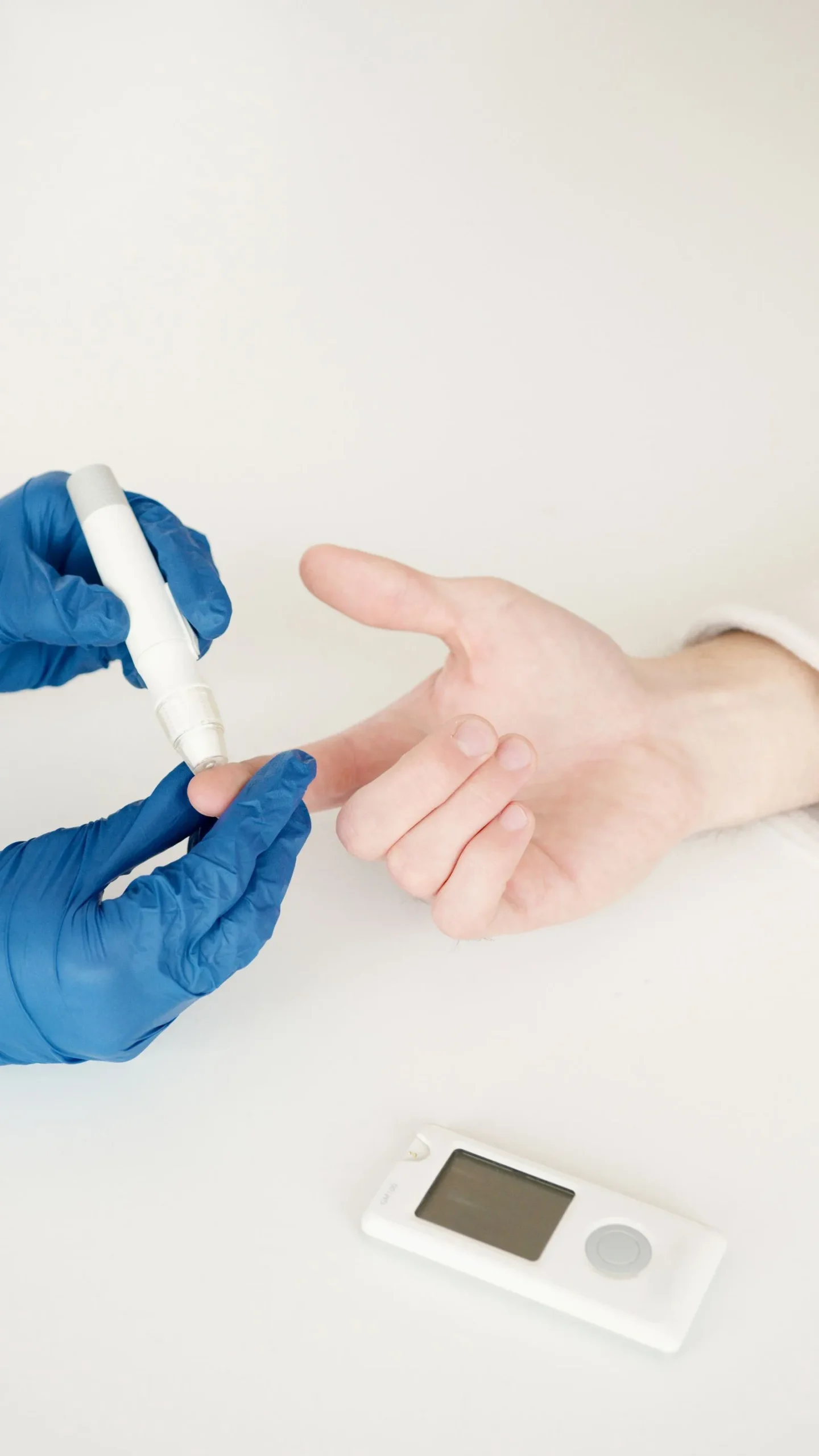
Your thyroid is a small, butterfly shaped gland at the front of your neck, and it sets the pace for almost everything your body does. When it runs too slow or too fast, the symptoms are easy to blame on stress, age or a bad month. That's exactly why so many people go years without a diagnosis.
How common are thyroid disorders?
Very common. The National Institute of Diabetes and Digestive and Kidney Diseases says nearly 5 out of 100 Americans age 12 and older have hypothyroidism, an underactive thyroid. About 1 out of 100 have hyperthyroidism, an overactive thyroid.
Most cases of hypothyroidism are mild, with few obvious symptoms, which is part of the problem.
What are the symptoms of an underactive thyroid?
An underactive thyroid slows things down. According to NIDDK, common symptoms include:
- Tiredness
- Weight gain
- Trouble tolerating cold
- Joint and muscle pain
- Dry skin, or dry, thinning hair
- Heavy or irregular periods, or trouble getting pregnant
- A slow heart rate
- Depression
These symptoms can take months or even years to show up. And tiredness and weight gain are so common that, on their own, they don't mean your thyroid is the cause.
What are the symptoms of an overactive thyroid?
An overactive thyroid speeds things up. NIDDK lists these common symptoms:
- Weight loss, even with a bigger appetite
- A rapid or irregular heartbeat
- Nervousness, irritability and trouble sleeping
- Shaky hands and muscle weakness
- Sweating or trouble tolerating heat
- Frequent bowel movements
- A swollen neck, called a goiter
Older adults sometimes have different symptoms, like losing their appetite or pulling away from people.

How do underactive and overactive thyroid compare?
| Underactive (hypothyroidism) | Overactive (hyperthyroidism) | |
|---|---|---|
| Energy | Tired, sluggish | Wired, but worn out |
| Weight | Gain | Loss, even when eating more |
| Temperature | Always cold | Hot and sweaty |
| Heart rate | Slow | Fast or irregular |
| Mood | Low, depressed | Nervous, irritable |
| How common | Nearly 5 in 100 Americans 12 and older | About 1 in 100 |
| Common cause | Often autoimmune | Graves' disease is the most common |
Who is most likely to get a thyroid problem?
Women are much more likely than men to develop thyroid disease, and both types are more common after age 60. NIDDK lists other risk factors too:
- A family history of thyroid disease
- A past thyroid problem, surgery or radioactive iodine treatment
- Pregnancy in the past six months
- Type 1 or type 2 diabetes
- Autoimmune conditions like rheumatoid arthritis, lupus or celiac disease
If you have diabetes, our guide on preventing and managing diabetes covers the numbers worth tracking.
How do you test for a thyroid disorder?
With a blood test. NIDDK is clear that a diagnosis can't be based on symptoms alone.
Most testing starts with a TSH test, which MedlinePlus explains can detect both an overactive and an underactive thyroid. Other blood tests often follow to find the cause. The TSH test itself usually doesn't require fasting, unless your provider orders other labs at the same time.
We can draw these labs during a walk in visit. Our page on thyroid and chronic care explains what happens if your results come back abnormal.
How are thyroid disorders treated?
An underactive thyroid is usually treated with a daily thyroid hormone pill, with blood tests to fine tune the dose. An overactive thyroid may be treated with medicine, radioactive iodine or, less often, surgery.
Most people feel much better once the right treatment is in place. It just takes some patience while the dose gets dialed in.
Does iodine affect your thyroid?
Yes. Your thyroid uses iodine to make its hormones, and most people in the U.S. get enough from iodized salt and everyday food.
Too much can be a problem too. NIDDK lists high iodine intake, from things like kelp supplements or some medicines, as a risk factor for an overactive thyroid. Don't start iodine or kelp supplements on your own without asking your doctor.
What happens if a thyroid disorder isn't treated?
An untreated underactive thyroid can leave you exhausted for years and is linked to higher cholesterol and heart problems over time. An untreated overactive thyroid can cause an irregular heartbeat and weaken your bones.
The good news is that both are very treatable once they're found. That's why a blood test is worth it if your symptoms fit.
Can pregnancy affect your thyroid?
Yes. NIDDK lists being pregnant in the past six months as a risk factor for both underactive and overactive thyroid.
New moms often blame tiredness, mood swings and weight changes on having a newborn, which is completely understandable. But if those feelings seem out of proportion or don't ease up, a thyroid test is a simple way to rule something out.
When should you see a doctor about your thyroid?
See a doctor if you've had several of the symptoms above for weeks, especially if you're a woman, over 60 or have a family history of thyroid disease. A racing or irregular heartbeat, chest pain or fainting needs care right away.
Feeling low, anxious or foggy and not sure why? Our mental health care starts by ruling out physical causes like your thyroid. Follow up visits and refills often work on a $59 TeleVisit, and you can find a clinic near you for lab work.
What do your thyroid test results mean?
The first test is usually TSH, a hormone made by the pituitary gland that tells your thyroid how hard to work. MedlinePlus explains that a TSH level that is too high or too low may be a sign of a thyroid problem.
| Result | What it often points to | Common next step |
|---|---|---|
| High TSH | An underactive thyroid that isn't making enough hormone | Free T4 test and sometimes thyroid antibody tests |
| Low TSH | An overactive thyroid making too much hormone | Free T4 and T3 tests |
| Normal TSH | A thyroid problem is less likely | Your doctor looks at other causes of your symptoms |
Normal ranges vary from lab to lab, so always go over your numbers with your doctor instead of comparing them to a chart online.
Can medicines or supplements affect your thyroid test?
Yes. MedlinePlus advises telling your provider about everything you take before a TSH test, because some medicines can affect the results. That includes prescriptions, over the counter medicines, vitamins and supplements.
Don't stop any medicine on your own before a test. Bring a list or a photo of your bottles to your visit, and the doctor will tell you if anything needs to change. Our thyroid and chronic care visits include lab work and follow up.
Can thyroid problems affect your heart?
Yes. An overactive thyroid speeds up many of your body's systems, including your heart. NIDDK notes it can cause a fast or irregular heartbeat, including a type called atrial fibrillation, which raises the risk of stroke. That's one reason treatment matters even when symptoms feel mild.
An underactive thyroid works the other way. It can slow your heart rate and raise your cholesterol, according to NIDDK, which over time adds to heart disease risk. If you have heart palpitations along with weight changes, tiredness or feeling too hot or too cold, ask for a thyroid check. If you have chest pain or trouble breathing, call 911.
Frequently asked questions
Can thyroid problems cause anxiety?
+
Yes. An overactive thyroid can cause nervousness, irritability, a racing heart and trouble sleeping, which can feel a lot like anxiety. An underactive thyroid is linked to depression. A simple blood test helps rule your thyroid in or out as the cause.
Can men get thyroid disorders?
+
Yes. Women are much more likely to develop thyroid disease, but men get both underactive and overactive thyroid too. Men are often diagnosed later because symptoms like tiredness or weight changes get blamed on stress, work or getting older.
Can a thyroid problem cause weight gain?
+
An underactive thyroid can cause weight gain because it slows your metabolism. Weight gain is common for many other reasons too, so it doesn't prove a thyroid problem on its own. A TSH blood test is the way to find out.
Can thyroid disorders be prevented?
+
Most thyroid disorders can't be prevented, since many are autoimmune or run in families. What you can do is catch them early. If you have risk factors or ongoing symptoms, ask your doctor about a thyroid blood test during your next checkup.
This article is for general information and isn't a substitute for medical advice. If you think you have a medical emergency, call 911.